Painting Hardie Siding: A Comprehensive Guide
Embark on a journey to discover the art of painting Hardie siding. From understanding the essence of Hardie siding to mastering the techniques, this guide will equip you with all you need to know.
Delve into the world of Hardie siding painting and unleash your creativity on this versatile material that deserves a fresh coat of paint.
Introduction to Hardie siding painting
Hardie siding, also known as fiber cement siding, is a durable and low-maintenance material commonly used in residential and commercial construction. It is made from a mixture of cement, sand, and cellulose fibers, providing excellent resistance to fire, moisture, rot, and pests.
Benefits of painting Hardie siding
- Enhances curb appeal: Painting Hardie siding can give your home a fresh and updated look, increasing its overall aesthetic appeal.
- Protection against the elements: A fresh coat of paint helps seal the surface, providing an additional layer of protection against harsh weather conditions.
- Increased lifespan: Regular painting can help extend the lifespan of your Hardie siding by preventing damage and deterioration.
Importance of painting Hardie siding for maintenance
Painting Hardie siding is crucial for maintaining the integrity and longevity of the material. It helps prevent moisture intrusion, protects against UV rays, and allows for early detection of any issues that may arise. Regular maintenance through painting can save you money in the long run by avoiding costly repairs or replacements.
Preparation for painting Hardie siding
Before painting Hardie siding, it is crucial to properly prepare the surface to ensure a successful and long-lasting paint job.
Tools and materials needed
- Pressure washer
- Mild detergent or TSP (Trisodium Phosphate)
- Scraper or wire brush
- Caulk and caulking gun
- Primer
- Exterior paint suitable for Hardie siding
- Paintbrushes or rollers
- Drop cloths
- Protective gear (gloves, goggles, mask)
Importance of cleaning the siding before painting
Cleaning the Hardie siding before painting is essential to remove dirt, dust, and any mildew or mold that may have accumulated. This ensures that the paint adheres properly to the surface and prevents any imperfections or peeling in the future.
Special considerations for prepping Hardie siding
- Hardie siding should be thoroughly cleaned with a pressure washer and mild detergent or TSP to remove any grime or residue.
- Any loose paint or debris should be scraped off using a scraper or wire brush before priming.
- Check for any gaps or cracks in the siding and use caulk to seal them to prevent moisture from seeping in.
- It is important to use a primer specifically designed for Hardie siding to ensure proper adhesion and durability of the paint.
Painting techniques for Hardie siding
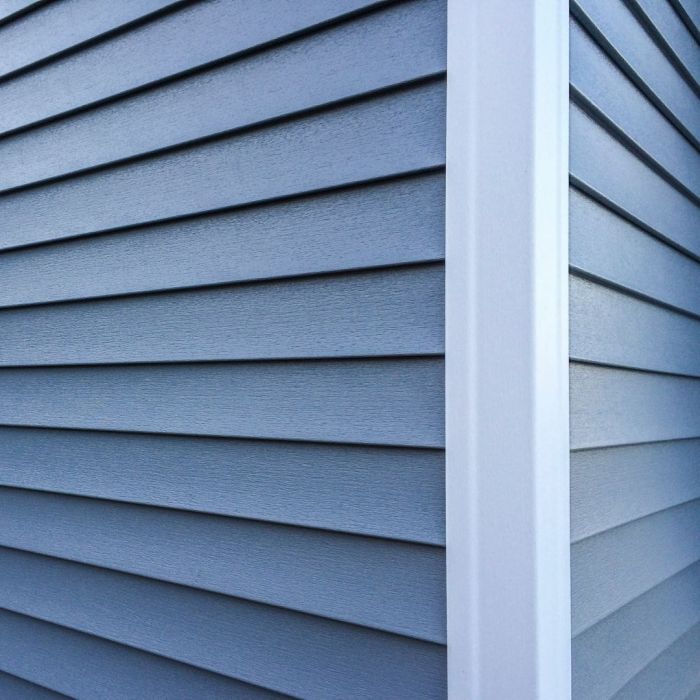
When it comes to painting Hardie siding, choosing the right paint and using proper techniques can make a significant difference in the final result. Here, we will discuss the best paint options for Hardie siding, provide step-by-step instructions on how to paint it, and share specific techniques for achieving a professional finish.
Best Paint Options for Hardie Siding
When selecting paint for Hardie siding, it is essential to choose a high-quality exterior acrylic latex paint. This type of paint is durable, flexible, and provides excellent adhesion to the fiber cement material of Hardie siding. Look for paints specifically formulated for exterior use and designed to withstand various weather conditions.
Step-by-Step Guide to Painting Hardie Siding
- Clean the siding thoroughly to remove any dirt, dust, or mildew. Use a mixture of water and mild detergent, rinse well, and allow it to dry completely.
- Inspect the siding for any signs of damage or deterioration. Make any necessary repairs before proceeding with painting.
- Apply a coat of high-quality exterior primer to the siding. This will help the paint adhere better and provide a uniform surface for painting.
- Choose your paint color and type, then apply the first coat evenly using a paintbrush or roller. Allow it to dry completely before applying the second coat.
- Apply a second coat of paint to ensure full coverage and a smooth finish. Pay attention to details and ensure all areas are properly painted.
- Allow the final coat to dry completely according to the paint manufacturer's instructions before considering the job complete.
Specific Techniques for Achieving a Professional Finish
- Work in small sections to ensure even coverage and avoid lap marks.
- Use a high-quality paintbrush or roller to apply the paint smoothly and evenly.
- Consider applying a third coat if necessary to achieve the desired color intensity and finish.
- Protect surrounding areas from paint splatter by using painter's tape and drop cloths.
- Be mindful of the weather conditions when painting Hardie siding, as extreme temperatures or humidity can affect the paint's drying and curing process.
Maintenance and care of painted Hardie siding
Maintaining painted Hardie siding is crucial to preserve its appearance and protect it from damage caused by weather elements. Regular cleaning, occasional repainting, and following specific maintenance requirements are key to ensuring the longevity of your siding.
Cleaning painted Hardie siding
To clean painted Hardie siding, use a mixture of mild soap and water. Avoid harsh chemicals or abrasive cleaners that can damage the paint finish. Gently scrub the siding with a soft brush or cloth, working from top to bottom.
Rinse thoroughly with clean water to remove any soap residue.
Repainting or touch-ups
Depending on the climate and exposure to elements, painted Hardie siding may need to be repainted every 5-10 years. Inspect the siding regularly for any chipping, peeling, or fading of paint, and touch up these areas promptly to prevent further damage.
Properly prepare the surface before repainting to ensure a smooth and even finish.
Specific maintenance requirements
- Inspect the siding annually for any signs of damage, such as cracks, gaps, or moisture infiltration.
- Trim back any vegetation or trees that may be in contact with the siding to prevent damage.
- Avoid using high-pressure washers on painted Hardie siding, as it can strip off the paint and damage the surface.
- Consider applying a clear sealant over the paint to provide an extra layer of protection against UV rays and moisture.
Ultimate Conclusion
As we conclude our exploration of painting Hardie siding, remember that a well-painted exterior not only enhances the aesthetics of your home but also ensures longevity and durability. So, pick up your brushes and start transforming your Hardie siding today!
Clarifying Questions
How often should I repaint my Hardie siding?
You can typically expect to repaint your Hardie siding every 5-7 years to maintain its appearance and protect it from the elements.
Can I use any type of paint for Hardie siding?
It is recommended to use high-quality acrylic latex paint specifically designed for exterior surfaces to ensure the best results and longevity.
Do I need to prime Hardie siding before painting?
While priming is not always necessary, it can help improve paint adhesion and enhance the overall finish of the paint job.