Exploring the World of Landlord Insurance
Diving into the realm of landlord insurance, this introduction aims to captivate readers with a detailed yet engaging peek into the intricacies of this essential coverage.
Providing a comprehensive overview of what landlord insurance entails, readers will gain valuable insights into the significance and benefits of securing this type of insurance.
What is Landlord Insurance?
Landlord insurance is a type of insurance policy designed to protect property owners who rent out their properties to tenants. It provides coverage for various risks and liabilities that landlords may face, offering financial protection in case of damages, accidents, or other unforeseen events.
Typical Features of Landlord Insurance
- Property Damage Coverage: This includes protection for the building structure itself, as well as any fixtures or fittings.
- Liability Coverage: This covers legal expenses and damages in case a tenant or visitor is injured on the property and holds the landlord responsible.
- Loss of Rental Income: In case the property becomes uninhabitable due to a covered event, this feature provides compensation for lost rental income.
- Legal Expenses Coverage: Helps cover legal fees in case of disputes with tenants, such as eviction proceedings.
Importance of Landlord Insurance
Having landlord insurance is crucial for property owners as it provides a safety net against various risks and potential financial losses. It helps landlords protect their investment and ensure that they are not left financially vulnerable in case of unexpected events.
Additionally, many mortgage lenders require landlords to have insurance as part of their loan terms, making it a necessary safeguard for property owners.
Types of Landlord Insurance
When it comes to landlord insurance, there are several types that cater to different aspects of property ownership and rental management. Understanding the various types of landlord insurance can help landlords protect their investments and mitigate risks effectively.
Rental Property Insurance
Rental property insurance, also known as dwelling coverage, protects the physical structure of the rental property itself. This type of insurance typically covers damages caused by events such as fire, vandalism, or natural disasters. It can also cover other structures on the property, such as garages or sheds.
Liability Insurance
Liability insurance is essential for landlords as it provides coverage in case a tenant or visitor is injured on the rental property. This type of insurance can help cover legal fees, medical expenses, and other costs associated with liability claims.
It also offers protection in case of property damage caused by tenants.
Loss of Rental Income Insurance
Loss of rental income insurance, also known as rental income protection, helps landlords recover lost rental income in case the property becomes uninhabitable due to a covered event. This type of insurance can provide financial support during the repair or rebuilding process, ensuring landlords do not suffer financially from a temporary loss of rental income.
Factors Affecting Landlord Insurance Premiums
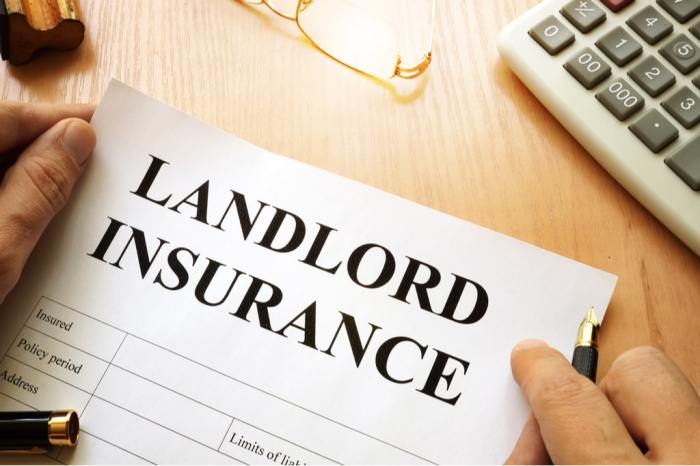
When it comes to calculating premiums for landlord insurance, insurance companies take several factors into account to determine the cost of coverage. These factors can vary depending on the insurer, but some common considerations include the location of the rental property, the age and condition of the property, and the coverage limits chosen by the landlord.
Location of the Rental Property
The location of the rental property plays a significant role in determining insurance premiums. Properties located in areas prone to natural disasters such as floods, earthquakes, or hurricanes are considered higher risk and may result in higher premiums. Additionally, properties in high-crime areas may also face increased insurance costs due to the higher likelihood of theft or vandalism.
Age and Condition of the Rental Property
The age and condition of the rental property can also impact insurance costs. Older properties or those in poor condition may be at a higher risk for structural issues or maintenance issues, which could lead to more frequent and costly insurance claims
Insurance companies may charge higher premiums for properties that are older or in need of repairs to account for these increased risks.
Making a Claim on Landlord Insurance

When the need arises to make a claim on your landlord insurance policy, it's essential to understand the steps involved and how to streamline the process to ensure a smooth and efficient experience. Additionally, being aware of common reasons why claims may be denied can help you avoid potential pitfalls and ensure a successful outcome.
Steps to Make a Claim on Landlord Insurance
- Contact your insurance provider as soon as possible to report the incident and initiate the claims process.
- Provide all necessary documentation, including the police report (if applicable), photos of the damage, and any other relevant information requested by the insurer.
- Cooperate fully with the insurance company's investigation, which may involve providing additional information or allowing an adjuster to assess the damage.
- Keep records of all communication with the insurance company, including phone calls, emails, and any paperwork exchanged.
- Review and understand your policy coverage to ensure you are aware of any exclusions or limitations that may impact your claim.
Tips to Streamline the Claims Process
- Report the incident promptly to your insurer to avoid any delays in processing your claim.
- Provide all required documentation and information accurately and promptly to expedite the claims process.
- Keep detailed records of the damage, expenses incurred, and communication with the insurance company for reference.
- Follow up with the insurer as needed to ensure your claim is progressing and address any concerns or questions promptly.
- Seek assistance from a professional, such as a public adjuster, if you encounter difficulties or need help navigating the claims process.
Common Reasons for Denied Claims on Landlord Insurance
- Non-disclosure of relevant information or misrepresentation of facts on the insurance application.
- Claims that fall outside the scope of coverage Artikeld in the policy, such as wear and tear or gradual damage.
- Failure to meet policy conditions, such as notifying the insurer within a specified timeframe or taking necessary precautions to prevent further damage.
- Disputes over the cause of the loss or damage, such as whether it was due to a covered peril or excluded event.
- Issues with documentation or insufficient evidence to support the claim, leading to a lack of proof of the claimed loss.
Last Word
In conclusion, the discussion on landlord insurance sheds light on the key aspects to consider when safeguarding your property investment. Whether it's understanding the coverage options or navigating the claims process, being informed is crucial in protecting your assets.
FAQ Corner
What does landlord insurance cover?
Landlord insurance typically covers property damage, liability protection, and loss of rental income due to unforeseen circumstances.
Are tenants responsible for obtaining their own insurance?
Yes, tenants are usually responsible for their personal belongings and liabilities, so they are encouraged to get renters insurance.
Does landlord insurance cover natural disasters?
It depends on the policy, but many landlord insurance policies offer coverage for natural disasters such as earthquakes or storms.