Unlocking the Beauty of Prefinished Exterior Siding
Prefinished exterior siding is more than just a protective layer for your home - it's a statement piece that blends functionality with style seamlessly. From the choice of materials to the installation process, every detail plays a crucial role in enhancing your home's exterior aesthetics.
Let's delve into the world of prefinished exterior siding and uncover the myriad possibilities it offers.
As we navigate through the different types, design options, and maintenance requirements, you'll gain a comprehensive understanding of how prefinished exterior siding can transform your home into a masterpiece.
Introduction to Prefinished Exterior Siding
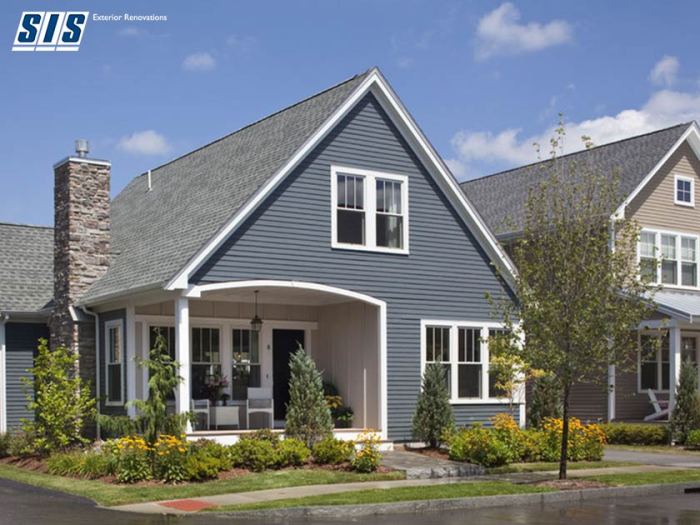
Prefinished exterior siding refers to siding materials that come already painted or stained before installation. This means that the finishing coat is applied at the factory, saving time and effort during the installation process.
Popular materials used for prefinished exterior siding include:
Vinyl Siding
- Low maintenance
- Durable
- Wide range of colors and styles
Fiber Cement Siding
- Resistant to fire, insects, and rot
- Durable
- Can mimic the look of wood or stucco
Engineered Wood Siding
- Cost-effective
- Resembles real wood
- Easy to install
The benefits of using prefinished exterior siding include:
- Time-saving installation process
- Consistent color and finish quality
- Reduced maintenance requirements
- Increased durability and protection against the elements
Types of Prefinished Exterior Siding
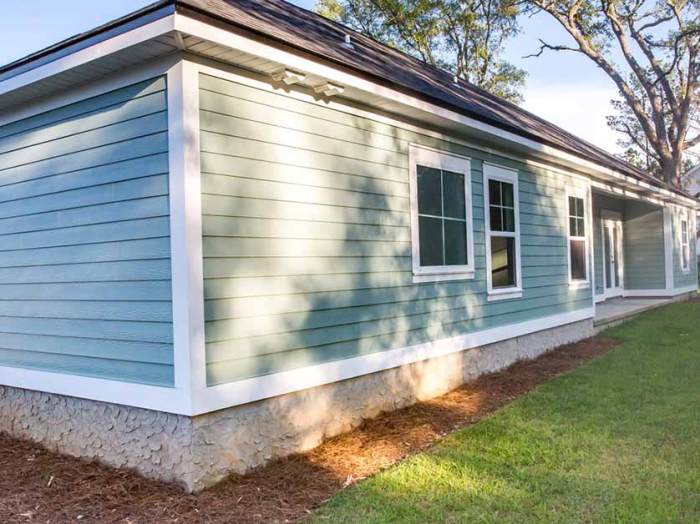
When it comes to prefinished exterior siding, there are several types available in the market, each with its own unique features, benefits, and maintenance requirements.
Vinyl Siding
Vinyl siding is a popular choice for homeowners due to its affordability, low maintenance, and wide range of colors and styles. It is durable, resistant to rot and pests, and easy to clean with just soap and water. However, it may crack or fade over time and lacks the natural look of wood siding.
Fiber Cement Siding
Fiber cement siding is a versatile option that can mimic the look of wood, stucco, or stone siding. It is durable, fire-resistant, and low maintenance. However, it is heavier than vinyl siding, requiring professional installation, and may be more expensive upfront.
Wood Siding
Wood siding offers a traditional and natural aesthetic that can enhance the curb appeal of a home. It is eco-friendly, renewable, and can be painted or stained to match any design preference. However, wood siding requires regular maintenance, such as painting or sealing to protect against moisture and pests.
Engineered Wood Siding
Engineered wood siding combines wood fibers and resins to create a durable and low-maintenance alternative to traditional wood siding. It is available in various styles and finishes, offering the look of real wood without the same level of maintenance. However, it may be prone to moisture damage if not properly installed and maintained.
Aluminum Siding
Aluminum siding is lightweight, durable, and resistant to rust and corrosion. It is easy to install and requires minimal maintenance, making it a cost-effective option for homeowners. However, aluminum siding may dent easily and lacks the insulating properties of other siding materials.
Installation Process
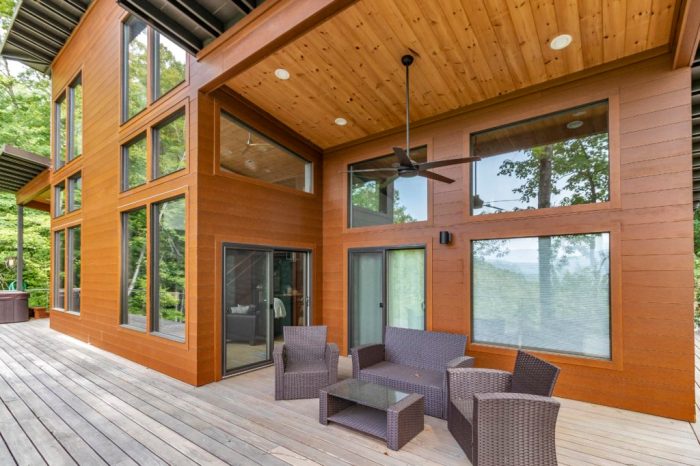
Installing prefinished exterior siding involves several important steps to ensure a successful outcome
General Steps for Installation
- Prepare the surface: Ensure the exterior surface is clean, dry, and free of any debris before starting the installation.
- Measure and cut siding: Accurately measure and cut the siding panels to fit the dimensions of the exterior walls.
- Start at the bottom: Begin installing the siding from the bottom, working your way up to ensure proper alignment.
- Secure the siding: Use appropriate nails or screws to secure the siding panels to the exterior walls.
- Overlap correctly: Make sure to overlap the siding panels correctly to prevent water infiltration and ensure a seamless look.
- Finish the edges: Use corner pieces and trim to finish the edges and give the siding a polished appearance.
Tips for Successful Installation
- Follow manufacturer guidelines: Always refer to the manufacturer's instructions for the specific prefinished exterior siding you are installing.
- Use the right tools: Make sure you have the necessary tools and equipment for the installation process to avoid delays or mistakes.
- Work in dry conditions: Install the siding during dry weather to prevent moisture-related issues during and after installation.
- Consider insulation: Depending on the climate, consider adding insulation under the siding to improve energy efficiency.
Common Challenges and Solutions
- Warped panels: If you encounter warped siding panels, try laying them flat in the sun to help them straighten out before installation.
- Uneven walls: Address uneven walls by adding furring strips or shims to create a level surface for the siding installation.
- Mismatched colors: To avoid mismatched colors, be sure to order all the necessary siding panels from the same batch to maintain consistency.
- Moisture issues: Properly seal joints and edges to prevent moisture infiltration, which can lead to mold and damage over time.
Design Options and Styles
When it comes to prefinished exterior siding, there is a wide range of design options and styles to choose from. These options can help enhance the curb appeal of your home while also providing durability and protection.Highlight trending colors, textures, and finishes in prefinished exterior siding can include popular choices such as neutral tones like gray, beige, and white, as well as bolder colors like navy blue or forest green.
Textures can range from smooth finishes to wood-grain patterns, providing a variety of looks to suit different preferences.Choosing the right design to complement different architectural styles is essential for creating a cohesive and visually appealing exterior. For example, a modern home may benefit from sleek, minimalist siding options, while a traditional home could look stunning with classic lap siding or shake-style panels.
Popular Design Options
- Vertical siding for a modern look.
- Cedar shake siding for a rustic charm.
- Board and batten siding for a farmhouse style.
- Brick or stone veneer accents for a timeless appeal.
Maintenance and Care
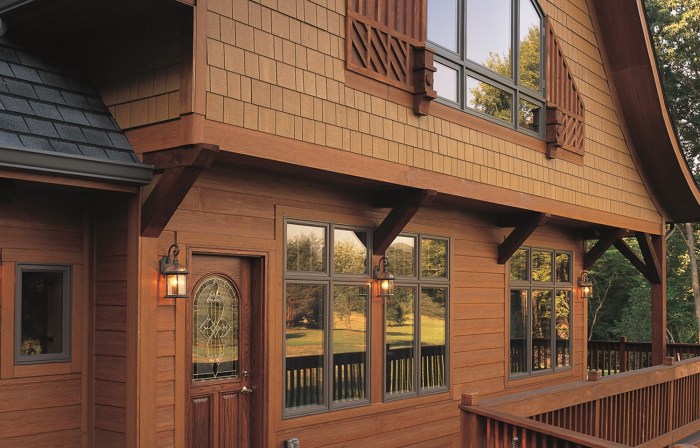
Proper maintenance and care of prefinished exterior siding are essential to ensure its longevity and appearance. By following some simple steps, you can keep your siding looking great for years to come.
Cleaning and Preservation
- Regularly clean the siding with a mixture of mild soap and water to remove dirt, dust, and other debris.
- Avoid using harsh chemicals or abrasive cleaners that can damage the finish of the siding.
- Rinse the siding thoroughly with water after cleaning to ensure all soap residue is removed.
- Inspect the siding periodically for any signs of damage or wear and address them promptly to prevent further issues.
Importance of Regular Maintenance
Regular maintenance is crucial for prolonging the lifespan of prefinished exterior siding. By keeping the siding clean and addressing any damage early on, you can prevent more significant issues down the line. Additionally, regular maintenance helps preserve the finish of the siding and keeps it looking fresh and attractive.
Closing Summary
In conclusion, prefinished exterior siding emerges as a versatile solution that caters to both practical needs and design preferences. By choosing the right type, maintaining it diligently, and exploring creative design options, you can elevate your home's curb appeal effortlessly.
Embrace the beauty and durability of prefinished exterior siding to create a lasting impression that stands the test of time.
Popular Questions
What are the most popular materials used for prefinished exterior siding?
Common materials include vinyl, fiber cement, and engineered wood, each offering unique benefits in terms of durability and aesthetics.
What maintenance is required for prefinished exterior siding?
Regular cleaning with mild soap and water, along with inspections for damage or wear, can help maintain the finish and prolong the lifespan of prefinished exterior siding.
How do I choose the right design for my home's architectural style?
Consider the existing architectural elements, color palette, and overall aesthetic of your home to select a design that complements and enhances its unique character.